
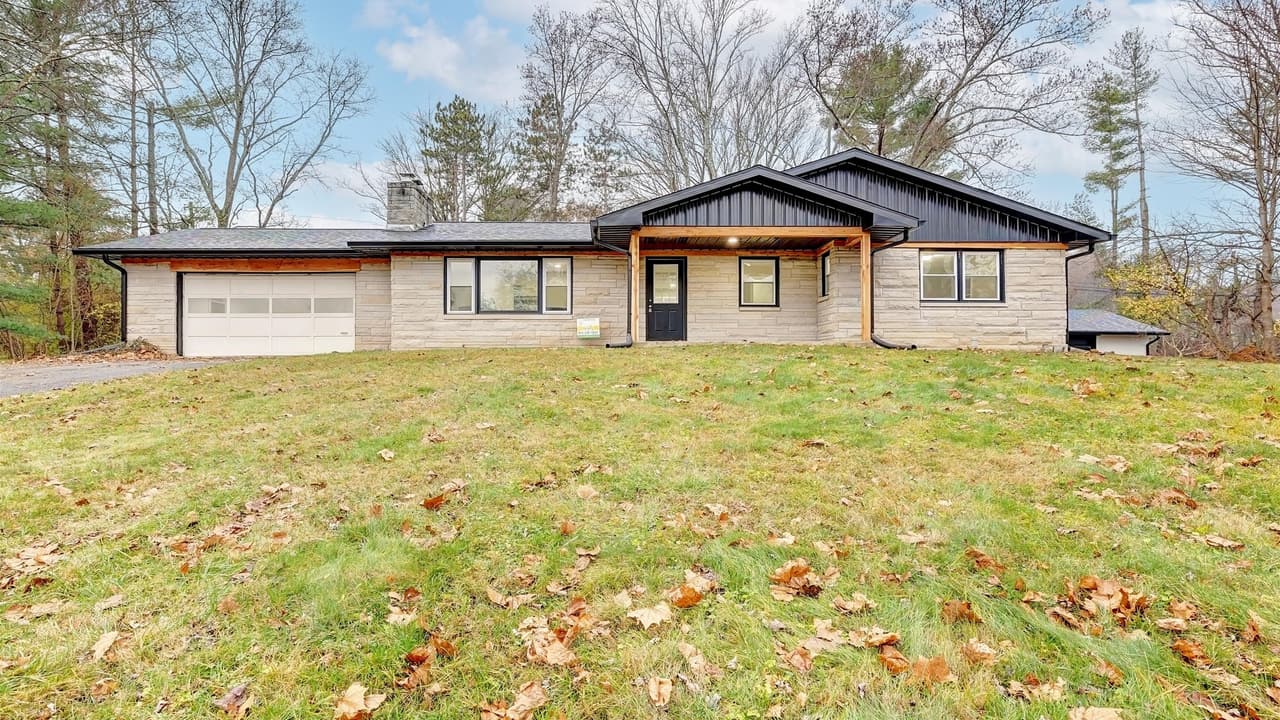
Bloomington is the most expensive housing market in Indiana. If you're chasing pure cash flow, the math usually doesn't work — and a good agent will tell you that on the first call.
I'll say the part most agents won't: if you're a pure cash-flow investor, Bloomington is probably not your market. Prices here are high relative to rents, and that ratio is what cash flow lives or dies on. Here's the actual arithmetic, so you can see it rather than take my word for it.
The math, worked all the way through
Why the ratio is what it is
A supply-constrained university town with steady demand pushes prices up faster than rents. That's great for long-term owners and hard on yield-chasers. Markets an hour away can offer double the gross yield — with their own trade-offs in tenant depth and appreciation.
Where Btown does make sense
- Appreciation plays: constrained supply and an anchor institution are the classic ingredients — you're betting on equity growth, not monthly checks
- Hybrid personal-use: the IU-parent purchase where roommates offset the carry (a different objective than yield — see the IU-parent guide)
- House hacking: living in one part while renting the rest changes your tax cap, your loan pricing, and your math all at once
- Long-hold owners who value stability, quality tenants, and a market that rarely goes on sale
Before you buy any rental here, run these
- The real tax bill at the rental (2%-cap) classification, not the seller's homestead bill
- The IU lease-cycle calendar against your closing date — missing it can mean a year of vacancy
- DSCR at today's actual investor rates, not owner-occupant rates
- An honest maintenance number for the property's age — century-old bungalows are charming and hungry
Send me an address you're looking at and I'll run the real numbers on it — the tax class, the lease-cycle timing, all of it. If Bloomington isn't the right market for what you want, I'll say so, and I'll tell you what I'd do instead.
Tell us what you're working with and a local agent will run the actual figures with you — no cost, no pressure.