
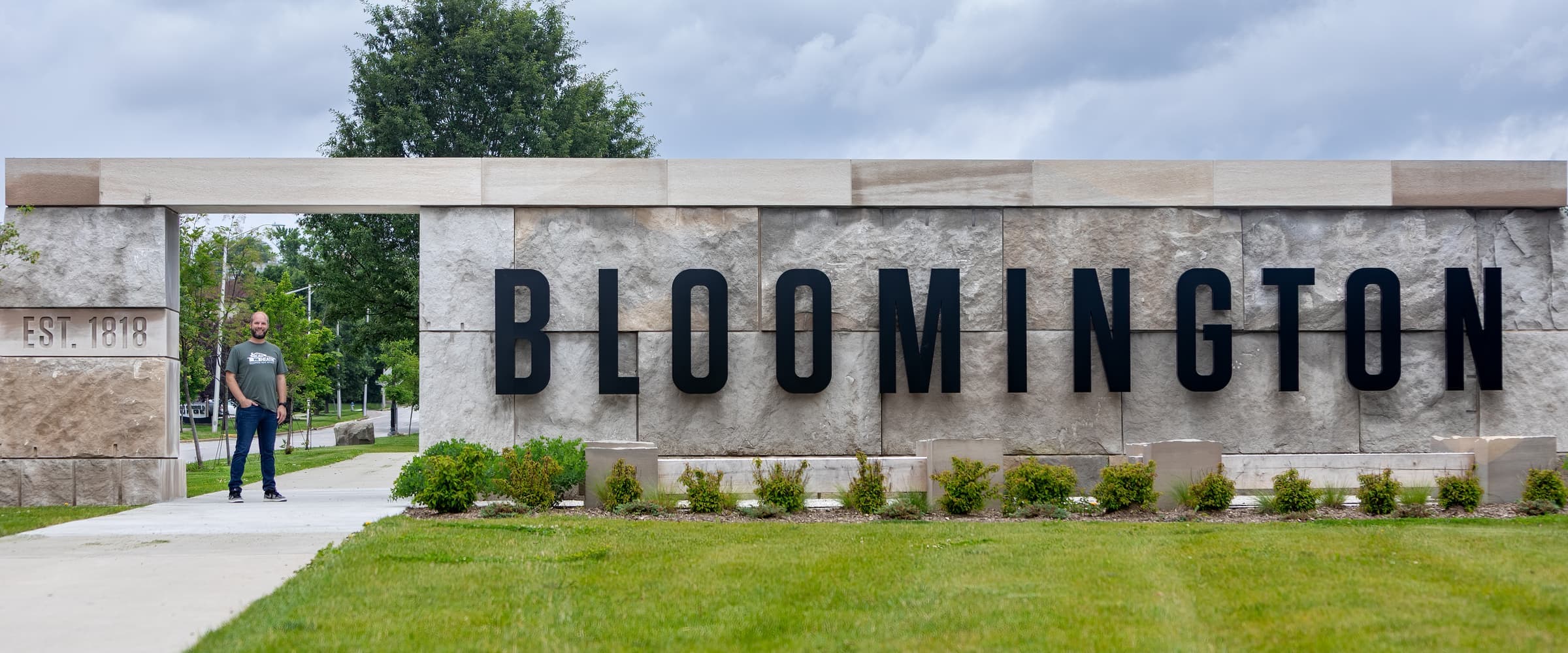
Know the area
before you buy.
We work across several towns in four counties — and within Bloomington itself, the character changes block by block. Here's a plain-spoken guide to the neighborhoods and towns we know best. Prices are general starting points, not quotes; the right one depends on the specific street.
Bloomington, neighborhood by neighborhood
A dozen of the city's distinct neighborhoods — what they're like and who they tend to fit.
A locally designated historic district with the city's greatest concentration of architect-designed homes — limestone, brick, tile, and slate on deep, tree-lined lots a short walk from campus and Bryan Park.
Wrapped around one of the city's best-loved parks — with its pool, waterslides, and ballfields. 1920s–40s bungalows, real sidewalks, and a strong family feel close to downtown.
Bloomington's first local historic district, on the National Register since 1991. Queen Anne, Tudor Revival, and Craftsman homes on a rounded hill just west of the square.
Close-in and steadily revitalizing — historic cottages mixed with newer infill, an easy walk or bike to downtown.
Near College Mall and the hospital corridor. Mid-century ranches on quiet, curving streets — convenient and well-established.
Century-old Craftsman bungalows from the Monon Railroad era, rows of front porches, and the B-Line Trail and 65-acre Switchyard Park at the doorstep. A designated historic district since 2004.
A traditional-neighborhood development built at pedestrian scale — front porches, a village center with cafés, and a deliberate mix of housing types with about 30% of the site kept as open space.
South of town near Sherwood Oaks Park. Larger lots and later-built homes; popular with families wanting space near the bypass.
Walk-everywhere living around the courthouse square — restored lofts, condos, and historic homes steps from restaurants, the farmers' market, and the B-Line Trail.
Historic streets between downtown and campus — Craftsman, Foursquare, Dutch Colonial, and Victorian homes, most dating to the 1920s and earlier, with downtown and IU both a short walk away.
A settled north-side neighborhood platted in 1958, west of Griffy Lake — spacious mid-to-late-century homes (ranches, split-levels, limestone accents) about three miles from downtown.
The green corridor around Lower Cascades Park — Bloomington's first city park (1924), with its waterfall and creek-valley trail — mixing mid-century and newer homes on the city's north edge.
Towns we serve
Separate towns, each with its own county, taxes, and pace — not Bloomington neighborhoods.
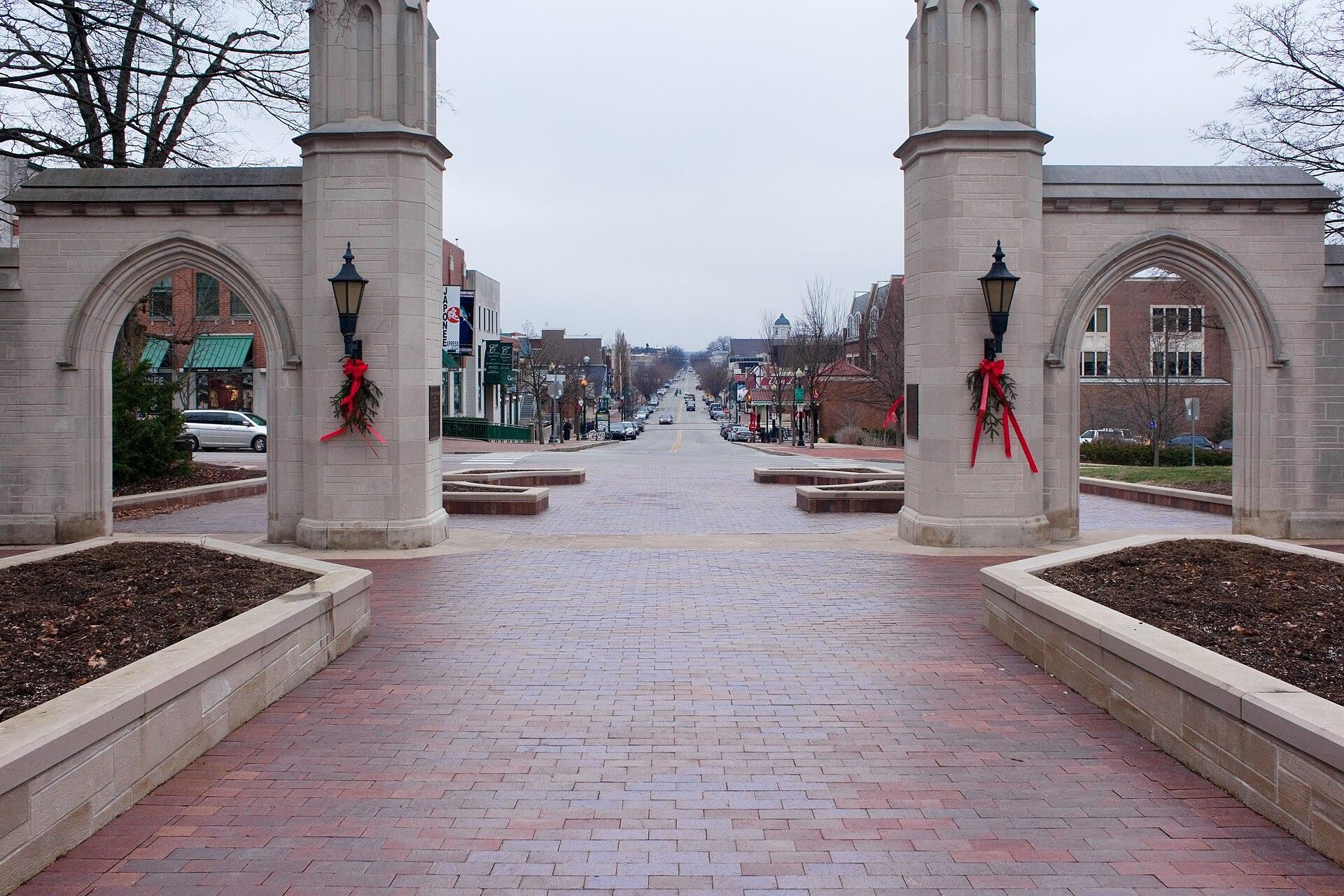
The county seat and IU's hometown — a walkable core ringed by distinct neighborhoods. (Neighborhood guides above.)
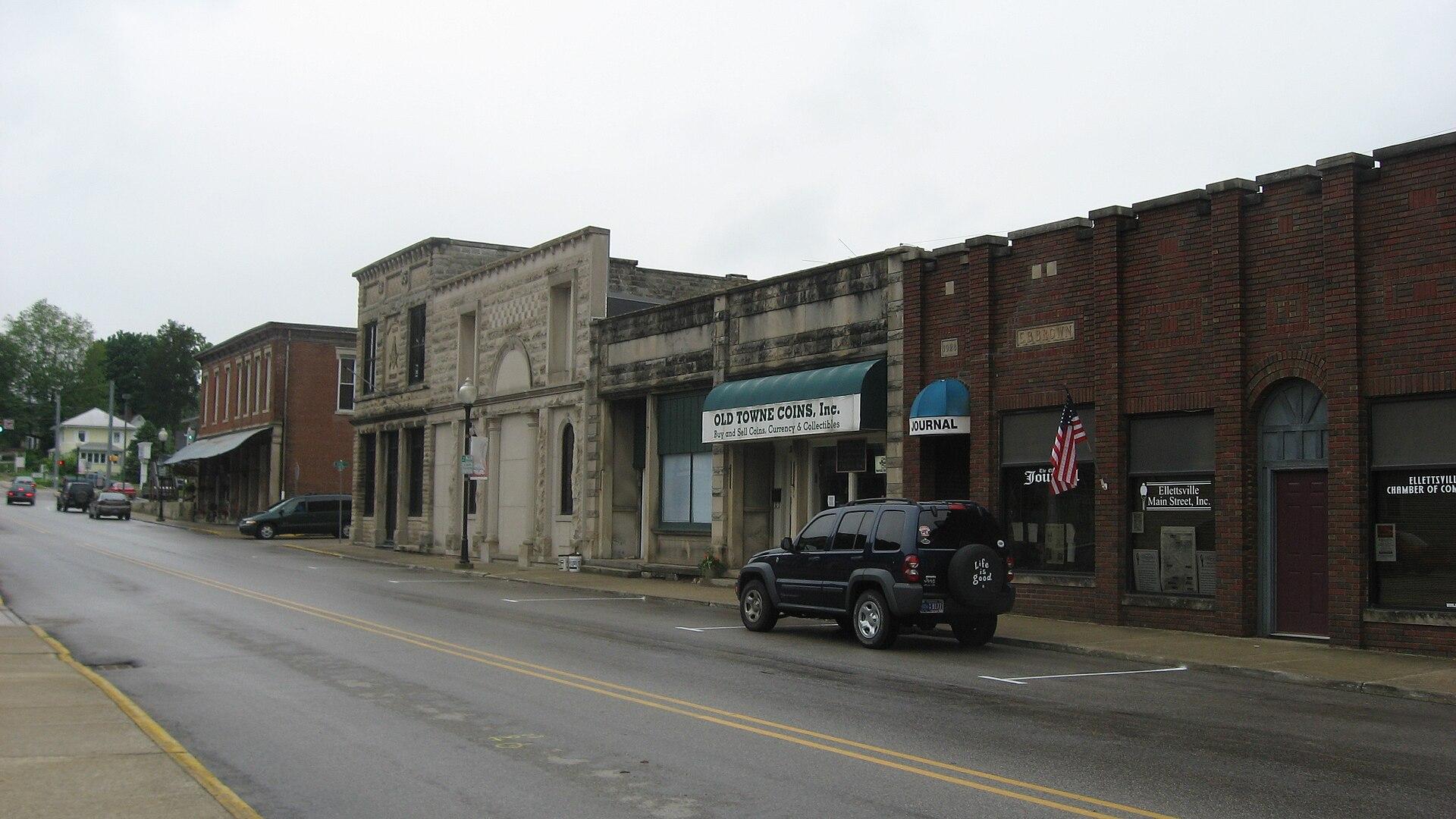
Monroe County's second-largest town, about 7 miles west on a four-lane stretch of SR 46 — small-town pace with newer construction and room to breathe.
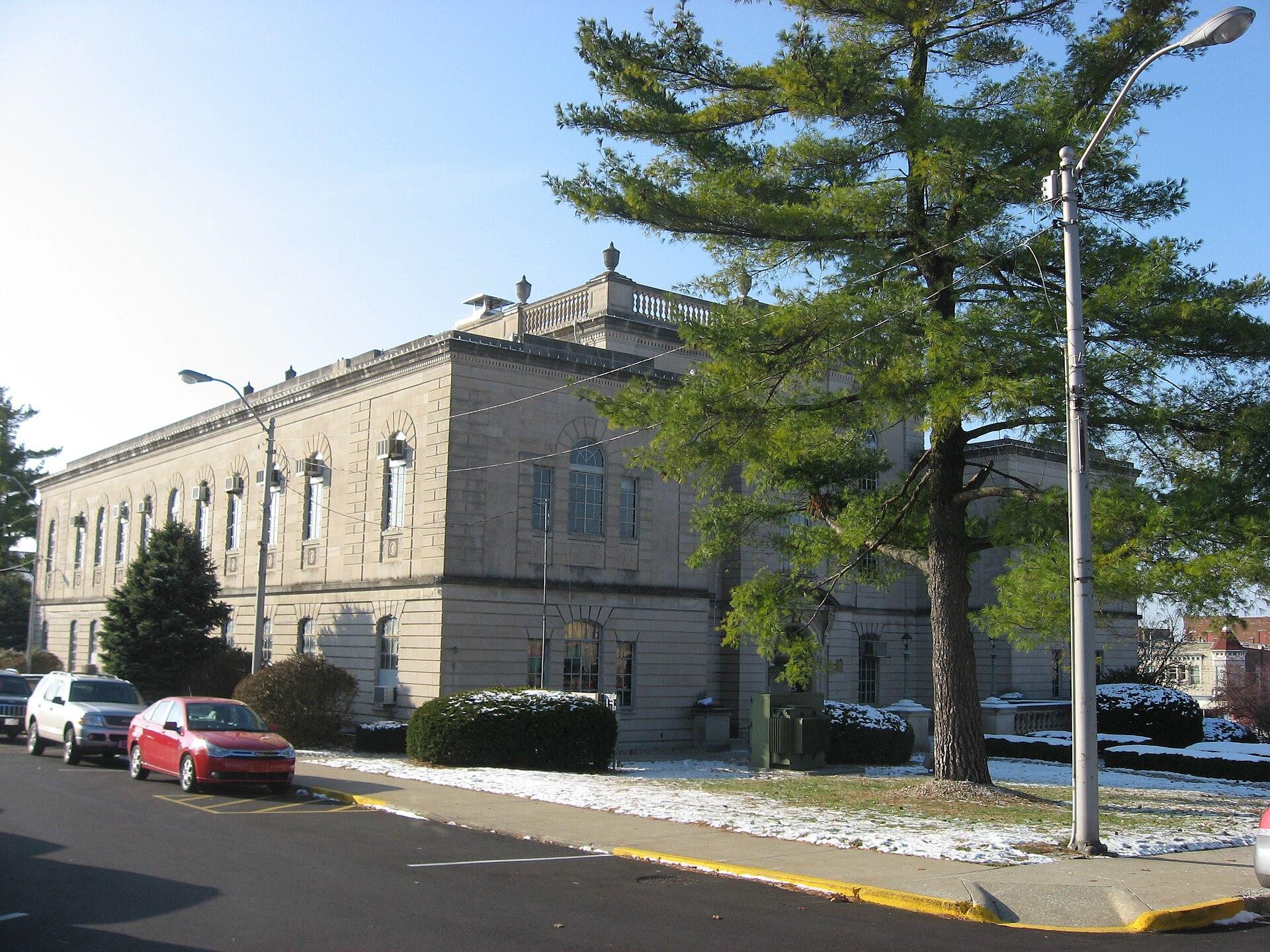
The Lawrence County seat and the 'Limestone Capital of the World' — its quarries supplied the Empire State Building and the Pentagon. About 18 miles south, with the most house for your money anywhere nearby.
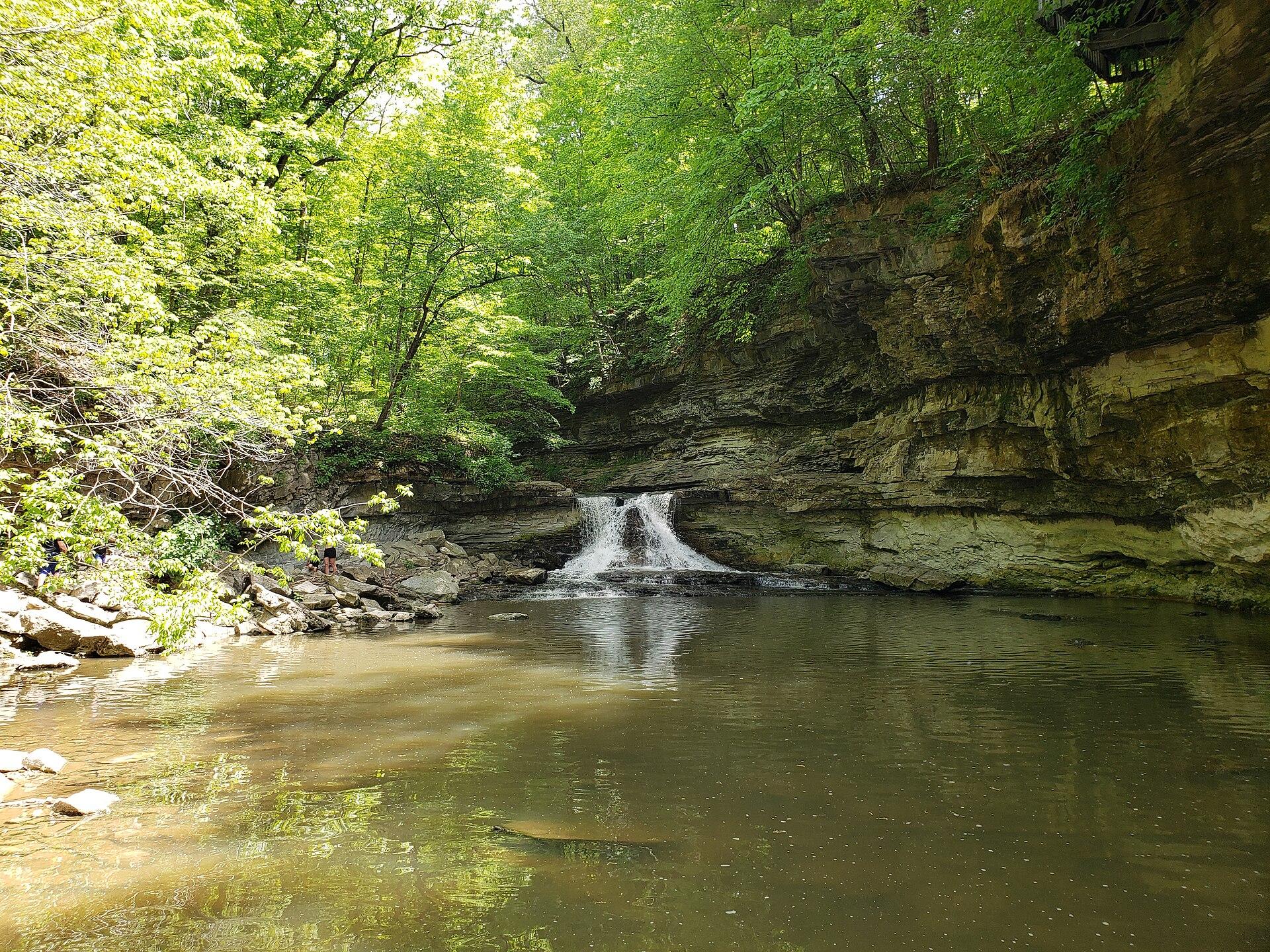
The Owen County seat, home to a landmark 1911 limestone courthouse — and the gateway to McCormick's Creek, Indiana's first state park, 14 miles west of Bloomington.
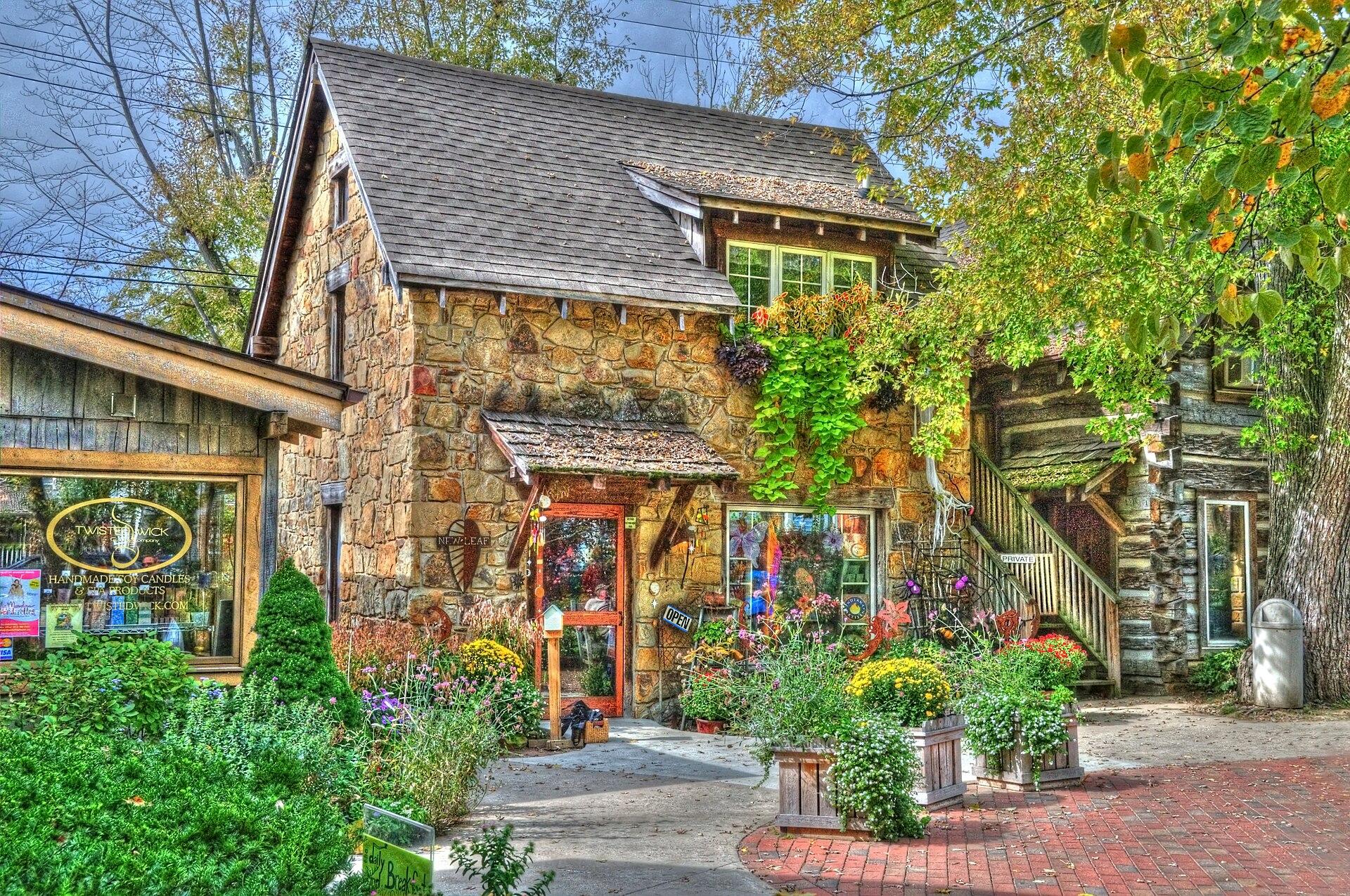
The Brown County seat and heart of its historic art colony — beside Brown County State Park, Indiana's largest at nearly 16,000 acres, on the scenic SR 46 run east of Bloomington.
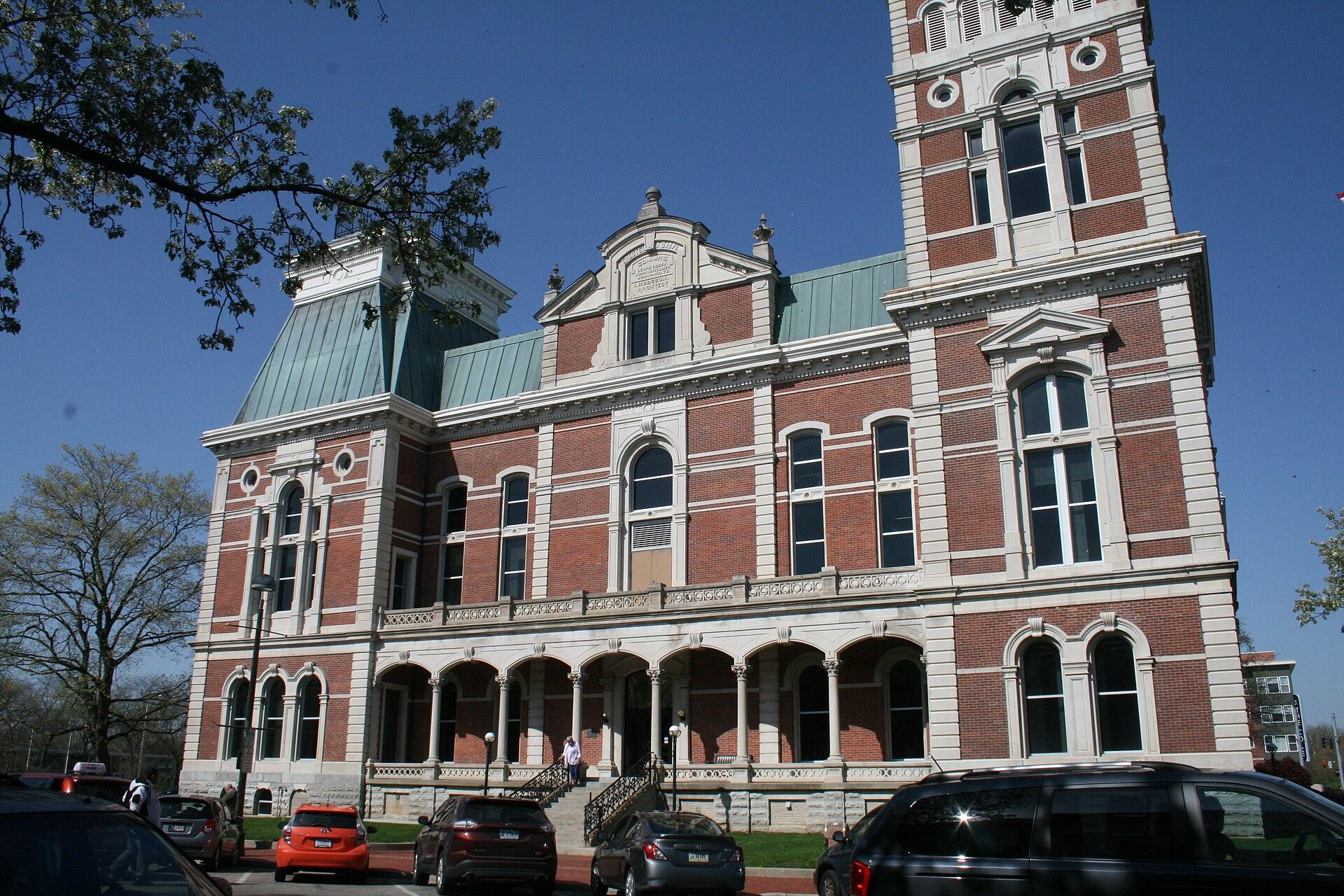
AIA-ranked the 6th most architecturally important U.S. city — seven National Historic Landmarks in a town built by the Cummins design legacy — down scenic SR 46 east.
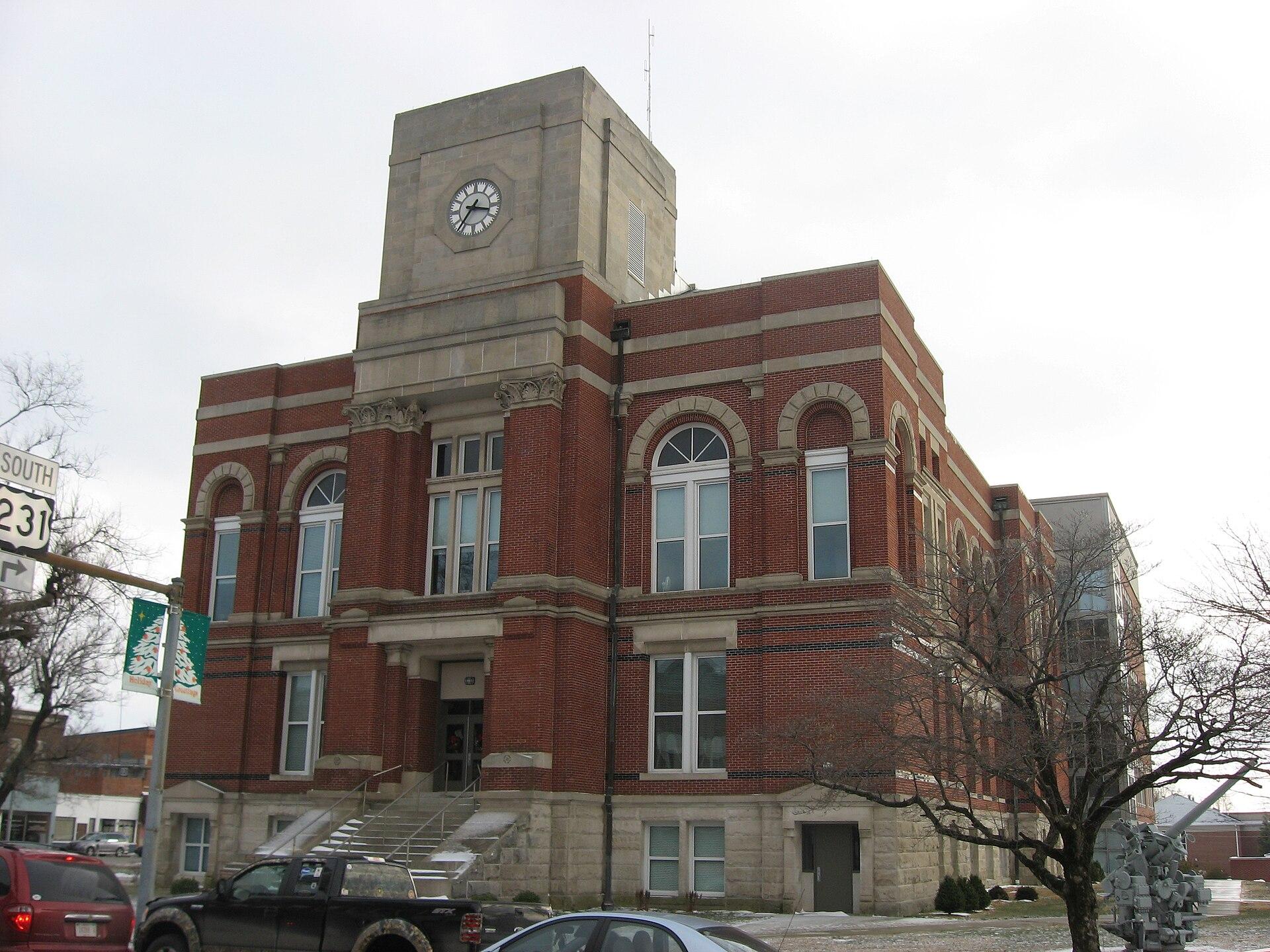
The Greene County seat, laid out in 1824 around its brick courthouse — quiet, unhurried, and the most budget-friendly corner of our four-county area.
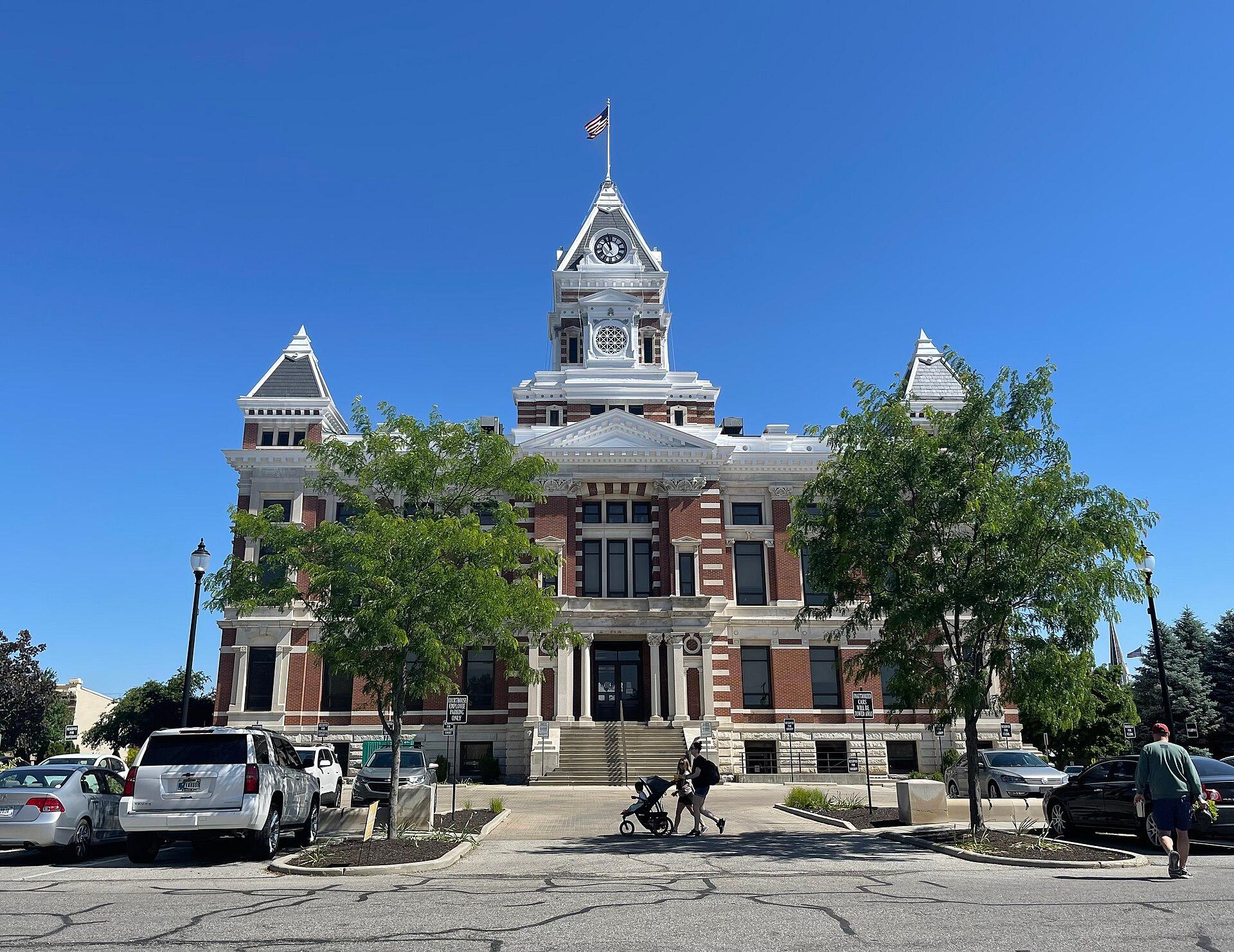
The Johnson County seat on I-65, about 20 miles south of Indianapolis — a historic square, Franklin College (Indiana's first college to admit women), and an easy interstate commute.
Town photos via Wikimedia Commons: Patrick Alexander · CC0; Nyttend · Public domain; HoosierMan1816 · Public domain; Serge Melki · CC BY 2.0; born1945 · CC BY 2.0; Sarah Stierch (Missvain) · CC BY 4.0.
Compare any two (or three) areas
Pick the areas you're torn between and see the honest read side by side — setting, housing stock, and price positioning. Guidance, not a scorecard.
Bloomington neighborhood · Southeast · near IU Elm Heights | Bloomington neighborhood · South-central Bryan Park | |
|---|---|---|
| Setting | Southeast side, between IU and Bryan Park | South-central, wrapped around Bryan Park |
| Housing stock | Early-20th-century architect-designed homes; limestone, brick, slate | 1920s–40s bungalows and cottages |
| Status | Local historic district (2012) + National Register | — |
| Getting around | Walkable to campus and Bryan Park | Sidewalk streets; comfortable walk/bike to downtown |
| Price position | Among the priciest in the city | Competitive |
| Signature amenity | — | Bryan Park Pool — waterslides, diving board, kids' zero-depth area |
| Price position | Among the priciest — general positioning, not a quote | Competitive — general positioning, not a quote |
| Full Elm Heights guide → | Full Bryan Park guide → |
Same region. Very different math.
Property taxes, affordability, and pace shift the moment you cross a county line. Here's the honest read before you fall in love with a listing.
Home to IU and the highest-priced, most competitive market in our area. Strong demand, tight inventory, lease-cycle rhythm.
Spencer, the White River valley, and Indiana's first state park. Bigger lots and lower carrying costs, a practical commute back to Btown.
Limestone country around Bedford. The most house for your money anywhere in the area.
Quiet and inexpensive around Bloomfield. The lowest entry point if budget leads the search.