
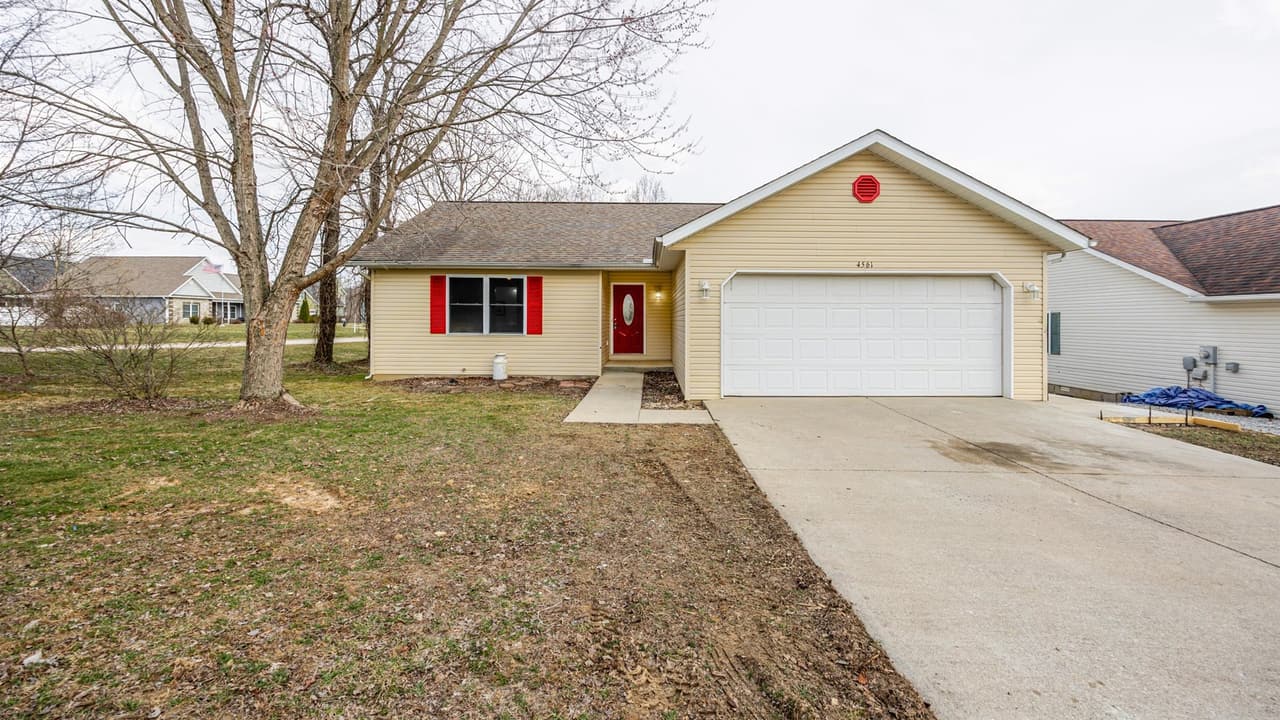
A neighbor's sale price feels like proof of your home's value. Usually it isn't. Here's how pricing actually works — and why the wrong comp leaves money on the table or kills your timeline.
When a house down the street sells for $399K, it's tempting to read that as your number. But 'same street' isn't the same as 'same comp,' and pricing off the wrong one is how homes either sit or sell short.
What makes a comp actually comparable
- Recent — ideally the last few months in this market; a year-old sale describes a different market
- Genuinely similar in finished square footage, bed/bath count, condition, and layout — not just nearby
- Same school-district lines and the same street character; a collector street and a cul-de-sac price differently
- Same property type: the townhome, the paired villa, and the single-family next door each comp against their own kind
The adjustment logic, illustrated
Appraisers and good agents don't compare prices — they compare adjusted prices. The neighbor's $399K might reflect a finished basement, a newer roof, a second full bath, and a premium lot your home doesn't share; adjust those out and that 'comp' may genuinely support a meaningfully different number for your house. The dollar values of adjustments come from the market data itself, not a fixed menu — anyone quoting you flat per-feature prices without data is guessing.
The cost of getting it wrong, in both directions
Why the first 21 days decide it
A new listing gets its deepest pool of attention immediately — every buyer whose saved search matches gets pinged the day you go live. Price inside the credible band and that surge becomes offers; price above it and the surge scrolls past, leaving you marketing to the trickle. This is why we bring a defended number and a first-21-days plan together.
What to bring to (and ask at) a pricing meeting
- Your updates list with years: roof, HVAC, water heater, windows, kitchen, baths
- Anything unusual about the lot, easements, or shared features
- Ask the agent: which comps did you use, which did you *exclude*, and why?
- Ask: what adjustments did you make, and what data supports them?
- Ask: what's the plan if we're wrong — at what day and what signal do we adjust?
I pull the sales that truly match yours, weed out the ones that only look similar, and give you a number you can defend — with a plan for the first 21 days on market. Send me the address and I'll show you the real comps.
Tell us what you're working with and a local agent will run the actual figures with you — no cost, no pressure.